

back lighted mirror
The Importance of Metal Ground Anchors in Modern Construction Metal ground anchors, also known as earth anchors or ground screws, have become an essential component in modern construction and landscaping projects. These anchors provide stability and support for various structures, from bridges and buildings to playgrounds and fencing. Their significance can be attributed to their versatility, ease of installation, and durability. One of the primary benefits of metal ground anchors is their ability to provide a firm hold in various soil conditions. Unlike traditional concrete footings, which require digging and pouring, metal anchors can be easily driven into the ground using specialized equipment. This method significantly reduces labor costs and project timelines, making it an attractive option for both small-scale and large-scale projects. Additionally, the installation of metal anchors often requires less space, allowing for greater flexibility in site design and layout. Metal ground anchors come in various designs, each tailored to specific applications and soil types. For instance, helical anchors feature spiral blades and are particularly effective in loose or sandy soils. These anchors can be rotated into the ground, providing a strong pull-out resistance. On the other hand, driven anchors are pounded into the soil, making them suitable for compact and rocky terrains. This diversity in design ensures that engineers can select the most appropriate anchor type based on the specific requirements of their projects. metal ground anchors The durability of metal ground anchors is another reason for their rising popularity . Constructed from high-strength steel, these anchors resist corrosion, ensuring long-term performance even in harsh environmental conditions. When properly galvanized or coated, metal anchors can withstand moisture, chemicals, and extreme temperatures, making them suitable for a wide range of applications—from marine construction to agriculture. In addition to their practical benefits, metal ground anchors also provide environmental advantages. Their installation typically has a minimal impact on the surrounding landscape as they require less excavation and soil disruption compared to traditional foundations. This characteristic is particularly important in preserving natural habitats and ecosystems, especially when constructing in sensitive or protected areas. Furthermore, using metal anchors can help to minimize the carbon footprint of construction projects by reducing the amount of concrete needed, which is a significant contributor to greenhouse gas emissions. Safety is another critical consideration in construction, and metal ground anchors play a vital role in ensuring structural integrity. They provide essential support and stabilization for various applications, such as retaining walls, temporary structures, and even solar panel installations. By securing these structures to the ground, metal anchors help prevent failures that could pose safety hazards to workers and the public. In conclusion, metal ground anchors are an invaluable resource in modern construction and landscaping. Their versatility, ease of installation, durability, and environmental benefits make them an excellent choice for a wide range of applications. As construction techniques continue to evolve, the role of metal ground anchors will likely expand, further solidifying their importance in ensuring safe and sustainable building practices. As stakeholders in the construction industry become more aware of their advantages, the adoption of metal ground anchors will undoubtedly grow, paving the way for innovative and resilient construction solutions.
about
back lighted mirror
Metal Right Angle Ruler: Industry Trends, Manufacturing, Technical Analysis & Custom Solutions Explore comprehensive insights on the right angle ruler — from cutting-edge manufacturing and precision parameters to application-driven innovation and global standards. Right Angle Ruler Market Overview and Trends As the industrial landscape pivots towards precision engineering and digital manufacturing, the demand for high-accuracy measuring tools like the right angle ruler has shown robust growth. According to Global Industry Reports 2024, the worldwide measuring tools sector is projected to reach USD 18.7 Billion by 2028, maintaining a CAGR of 5.2%. Right angle rulers, including large right angle ruler and right angle metal ruler segments, account for more than 15% of this market due to their indispensable role in manufacturing, fabrication, construction, and even in specialized fields such as sewing and design. Key Trends Driving Growth: Adoption of digital/laser-etched scales for higher visibility and reduced errors. Demand for corrosion-resistant alloys for longer tool lifespan in harsh environments. Growth of customized right angle ruler tool for specific industry needs (e.g., heavy engineering, textile). Integration of ISO/ANSI measurement standards for global compatibility. Automation: CNC-based rulers for robotic/mechatronics fabrication lines. Right Angle Ruler: Key Specifications & Comparison Parameter Metal Right Angle Ruler Large Right Angle Ruler Right Angle Metal Ruler Right Angle Ruler for Sewing Material Hardened Steel / Stainless Steel (AISI 304/316) Aluminum Alloy / Carbon Steel 100% Stainless Steel Transparent Acrylic / Alloy Angle Accuracy ±0.03° ±0.05° ±0.04° ±0.08° Length Range 100 mm – 2000 mm 600 mm – 2500 mm 150 mm – 1200 mm 100 mm – 600 mm Width/Blade Thickness 15-60 mm / 2-6 mm 30-80 mm / 3-7 mm 15-45 mm / 2-4 mm 10-18 mm / 1.2-2 mm Surface Finish Matte/Polished; Etched Scale Anodized/Polished Laser-Etched / Brushed Transparent / UV Printed Standards ISO 9001, ANSI B89.1 ANSI, DIN875 ISO, JIS Textile ASTM F963 Corrosion Resistance High (Salt Spray ≥ 1200h) Medium High Low Application Industrial, Machine Shop, QC Woodworking, Structural Precision Metalworking Sewing, Pattern Design Metal Right Angle Ruler Manufacturing Process The high-precision right angle metal ruler features robust construction, engineered through stringent process controls and advanced fabrication technology: Material Selection Certified AISI 304/316 stainless steel or high-grade carbon steel billets → Forging / Casting Billets forged/cast and normalized for structural integrity → CNC Machining Precision CNC milling (<0.01mm tolerance) for edge, surface, & angle → Edge Hardening Heat treatment for wear resistance (up to 60 HRC) and flatness → Surface Finish & Etching Matte/Polished; scales laser-etched for lifelong readability → Quality Control Inspection: CMM, ISO 9001/ANSI B89.1, NIST-traceable calibration → Packing & Certification Final packaging with test report and certification ▶️ Click to see Metal Right Angle Ruler production video (YouTube) Key Technology Highlights: Material: AISI 316/304 provides maximum corrosion resistance, crucial for the petrochemical, metallurgy, and marine sectors (per ISO 6892-1 ). Craftsmanship: CNC machining attains angular tolerances as fine as ±0.02°, vastly superior to conventional hand-ground squares. Standard Compliance: Complies with ISO 9001 , ANSI B89.1 ; NIST-traceable—ensuring global trade and acceptance. Lifespan: Lab-tested for 100,000+ usage cycles; salt spray resistance ≥ 1200 hours, outperforming standard alloy/iron models by 2–5x. Technical Comparisons & Data Visualization Visualize the technical advancements of the right angle ruler tool in comparison with typical competitors. *Forecast (Source: Global Tools Market Review 2024) Right Angle Ruler Tool: Leading Manufacturers’ Comparison Brand/Factory Main Material Technique ISO Certified Custom Options Lead Time STR Machinery TOP Stainless Steel (AISI 304/316) CNC Machining + Hardening ISO 9001, ANSI B89.1 Yes (size, scale, logo) 15–25 Days Tesa Brown & Sharpe Hardened Tool Steel Grinding + Etching ISO 17025 Partial 25–30 Days Mitutoyo Carburized Alloy Hand Ground ISO 9001 No 30–45 Days Generic (China) Ordinary Steel Stamping No Limited 7–15 Days Comparison shows STR Machinery excels in material, certification, and customization, delivering industry-leading right angle ruler solutions view details . Custom Metal Right Angle Ruler Solutions Every industrial application is unique, demanding tailor-made right angle ruler tool specifications—whether for heavy-duty metallurgy or fine textile design. STR Machinery offers full-spectrum customization: Blade Length: 100 mm – 2000 mm (±0.01mm tolerance) Material: AISI 304/316/Carbon Steel/Aluminum (with mill certificate) Scale Marking: Metric/Imperial; custom graduations; dual-scale options Logo/Branding: Laser etched, OEM-accepted Edge Hardness: Customizable up to 62 HRC for abrasive environments Protective Coatings: Anti-corrosion, oil-resistant layers (per client specification) Traceability: QR code/serial trace on batch and calibration Dedicated project engineers work with clients from specification design, 2D/3D drawing review, to batch production and QC release, ensuring every right angle ruler aligns with ISO and ANSI standards. Right Angle Ruler Application Scenarios & Advantages Petrochemical Plant Fabrication In pressure vessel fabrication, right angle metal rulers ensure perfect perpendicularity of flanges and shell joints. ISO 9001 compliance provides robust documentation for plant audits. Sewing & Tailoring ( Textile ) The right angle ruler for sewing is vital for pattern drafting, square marking, and bias control. STR’s acrylic rulers offer laser-etched grids and clarity. Steel Structure Assembly Large right angle rulers ( up to 2,500 mm ) ensure accuracy in on-site beam/joint alignment, critical for bridge and high-rise steel projects. Water & Drainage Facilities In the water/sewage sector, anti-corrosion right angle ruler tools outperform ordinary squares to maintain calibration in humid, chemical-prone environments (compliant with ASTM D543). Quality Control / Laboratory Calibrated right angle rulers serve as measurement standards in QA labs for tool verification and ISO/ANSI audit trails. Case Example–Steel Plant Client, Europe: The client required a set of 1.2m x 1.2m large right angle ruler (60 HRC, ISO 9001 certified) for a production line upgrade. STR's engineered solution delivered a 23% reduction in production deviation rates, improving plant QA scores from 91% to 98% over three months. Full documentation and test reports were delivered alongside the batch. Voice of the Customer & Service Commitment Feedback Highlights: “STR Machinery’s right angle rulers surpassed our expectations in terms of durability and calibration. The rapid custom quoting and delivery fit our tight fabrication schedule. We passed all external audits with zero non-compliance.” – QA Manager, Leading Oil & Gas EPC Plant Project Delivery & Support: Delivery Lead Time: 15–25 business days per batch; expedited options available. Warranty & After-Sales: Each right angle ruler comes with a 2-year warranty against material or process defects. Calibration & Certificates: All rulers are NIST or ISO-traceable with full certificate upon delivery. Customer Support: 24/7 engineering hotline; support for installation, calibration, and retraining on request. FAQs: Professional Insight into Right Angle Ruler Q1: What is the standard material used for high-grade right angle ruler ? A: Industry-leading right angle ruler tools are typically made from AISI 304/316 stainless steel due to their corrosion resistance, strength, and suitability for high-precision machining per ISO standards . Q2: What does angle accuracy mean and why does ±0.03° matter? A: Angle accuracy is the maximum deviation from a true 90°. A tolerance of ±0.03° ensures consistently square joints, crucial in quality-critical applications like aerospace and metallurgy. Q3: Can I order a custom scale (imperial/metric) for my right angle ruler tool ? A: Yes, STR Machinery offers fully custom scale options (metric, imperial, dual-scale) and tailored graduations according to client standards. Q4: What are the typical standards/markings on industrial rulers? A: All Metal Right Angle Ruler products are ISO 9001 and ANSI B89.1 marked. This ensures international acceptance and compliance with third-party audits. Q5: How frequently should rulers be calibrated in QC environments? A: Best practices recommend annual calibration in NIST-traceable labs, or after major impact/abuse, to preserve measurement accuracy. Q6: What is the lifespan of a Metal Right Angle Ruler? A: When used and maintained as specified, STR’s rulers exceed 100,000 usage cycles and 1200+ hours of corrosion-resistance per ASTM B117. Q7: What support is offered after delivery? A: STR offers a 2-year warranty, free calibration consultation, and global customer support, with rapid replacements if a defect is ever confirmed. Summary & Further Reading As the industrial world demands ever-tighter tolerances and traceability, the right angle ruler will remain a cornerstone tool across engineering, manufacturing, and design. Choosing a reputable, certified provider ensures peace of mind, long-term value, and compliance with global standards. References & Authority Sources: ISO Organization: ISO 6892-1: Metallic materials ANSI Measurement Standards: ANSI B89.1 Precision Measuring Tools Industry Forum: Practical Machinist Right Angle Ruler Discussion Mechanical Engineering Journal (Elsevier): Angle Measurement Principles in Precision Manufacturing Textile Tool Expertise: Threads Magazine – Ruler Usage in Sewing
-

High quality industrial productsagement

High quality industrial products
View Details -

Meet the diverse needs of customers

Meet the diverse needs of customers
View Details -

Strict quality control

Strict quality control
View Details -

Top raw materials

Top raw materials
View Details -

Trusted supplier

Trusted supplier
View Details
Our application


news and information
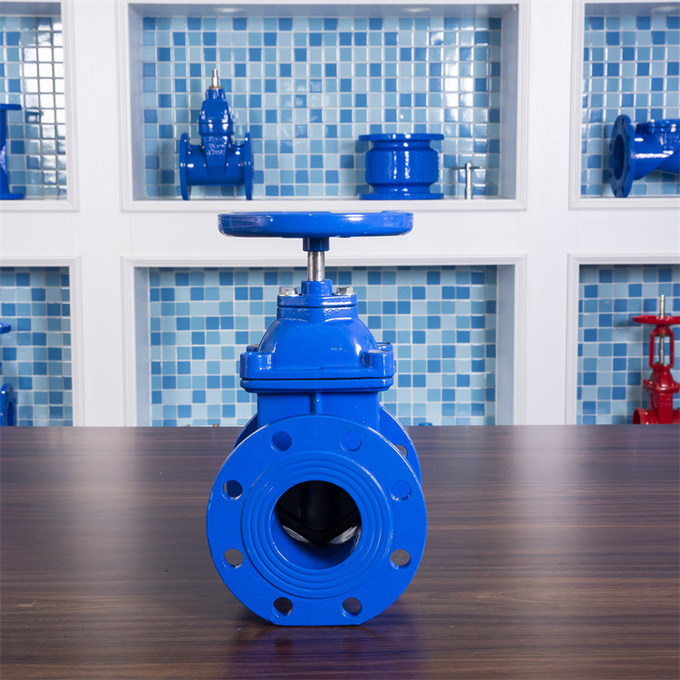
valve gate valve
Understanding Valve Gate Valves An Essential Component in Modern Industry In various industrial appl
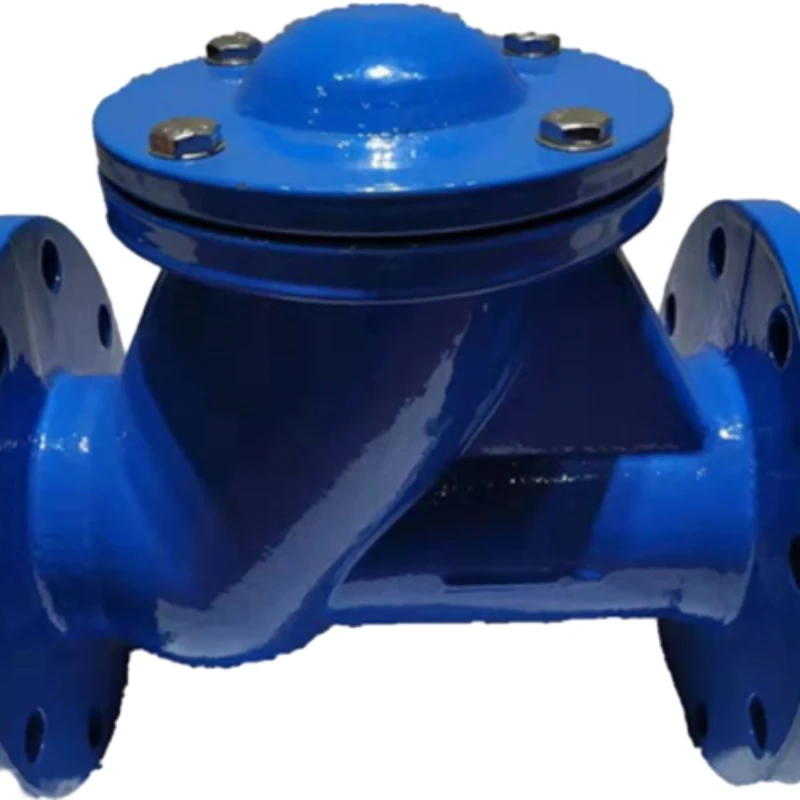
water valve key types
Understanding Water Valve Key Types Water valves are essential components in various plumbing system

Ventil motýl s 36% průtokem pro efektivní regulaci kapaliny
Motýlové ventily a jejich význam Motýlové ventily jsou jedním z nejefektivnějších a nejběžněji použí
 English